
How the Philippine Forex Trading Community is Shaping the Nation’s Financial Future
May 27, 2025

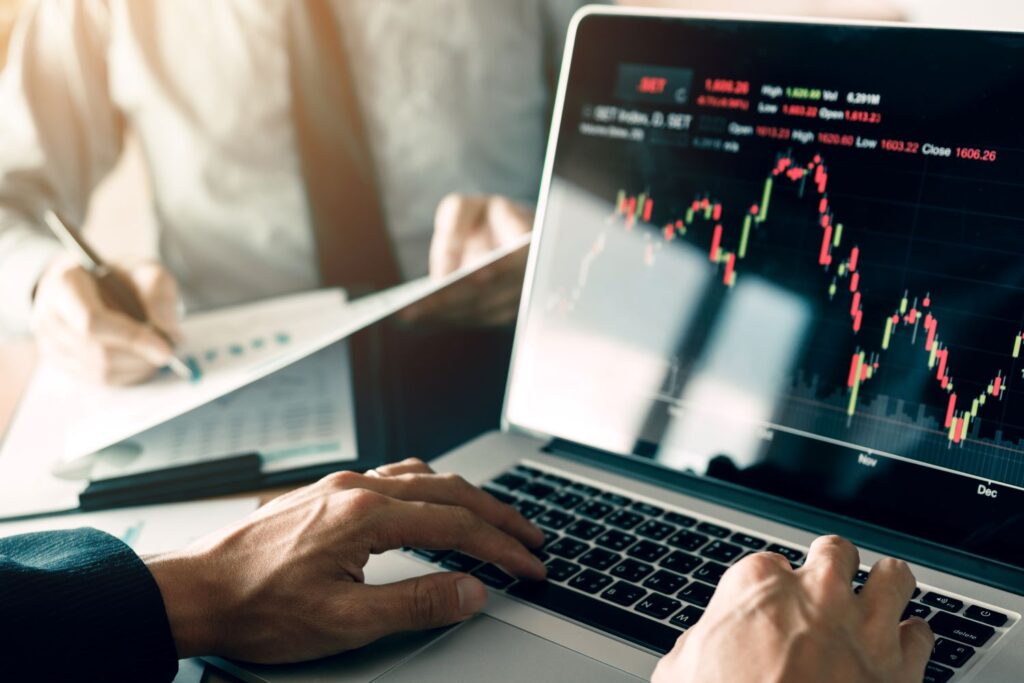
The forex trading community in the Philippines has experienced a significant transformation over the past decade, transitioning from a niche market to a vibrant and dynamic sector that is shaping the nation’s financial future. As more Filipinos engage in forex trading, the implications extend beyond individual profit; they contribute to broader economic growth, financial literacy, and the modernization of the financial landscape. This article explores how the Philippine forex trading community is influencing the country’s financial future.
1. Increased Participation and Market Accessibility
Democratization of Trading
The rise of online trading platforms has democratized access to the forex market, allowing individuals from various backgrounds to participate. With lower barriers to entry, such as minimal deposit requirements and user-friendly interfaces, more Filipinos are entering the trading arena. This increased participation fosters a culture of investing and trading, encouraging financial independence among individuals who were previously excluded from traditional investment opportunities.
Youth Engagement
The forex market is particularly appealing to the younger generation, many of whom are tech-savvy and eager to explore investment opportunities. As more young Filipinos engage in forex trading, they are not only building their own wealth but also contributing to a more financially literate society. This demographic shift is crucial for the long-term sustainability of the forex market and the overall economy.
2. Promotion of Financial Literacy
Educational Initiatives
The growth of the forex trading community has led to a surge in educational initiatives aimed at improving financial literacy. Many brokers and trading platforms offer webinars, courses, and resources to help traders understand market dynamics, trading strategies, and risk management. As traders become more knowledgeable, they are better equipped to make informed decisions, reducing the likelihood of losses and fostering a more responsible trading culture.
Community Learning
Online forums and social media groups have become popular venues for knowledge sharing among traders. These platforms allow individuals to exchange insights, strategies, and experiences, creating a supportive environment for learning. This collaborative approach enhances the overall skill set of the community, contributing to a more informed and capable trader base.
3. Economic Contributions
Capital Inflows
As more Filipinos engage in forex trading, there is an increase in capital inflows into the economy. The forex market is not only a space for trading currencies but also a means for individuals to invest in various asset classes. This influx of investment can stimulate economic growth, enhance liquidity in the financial markets, and contribute to the overall stability of the economy.
Job Creation
The growth of the forex trading community has led to job creation in various sectors, including finance, technology, and education. As demand for trading platforms, analytical tools, and educational resources increases, new businesses and startups are emerging to meet these needs. This job creation not only contributes to economic growth but also fosters innovation in the financial sector.
4. Technological Advancements
Integration of Fintech Solutions
The rise of forex trading has coincided with the rapid advancement of financial technology (fintech). Many traders are leveraging fintech solutions to enhance their trading experiences. Features such as algorithmic trading, advanced analytics, and automated trading systems are becoming increasingly popular, empowering traders to optimize their strategies and improve their decision-making processes.
Accessibility of Trading Tools
Technological advancements have also made sophisticated trading tools more accessible. Traders can now utilize mobile applications, real-time market data, and advanced charting tools to make informed decisions. This accessibility fosters a more competitive and efficient trading environment, benefiting all participants in the market.
5. Regulatory Developments and Investor Protection
Strengthening Regulations
The Philippine government has recognized the importance of regulating the forex market to protect investors and maintain market integrity. Regulatory bodies such as the Securities and Exchange Commission (SEC) and the Bangko Sentral ng Pilipinas (BSP) are implementing measures to enhance transparency and ensure fair practices among brokers. These regulations help build trust in the forex market, encouraging more individuals to participate.
Investor Education Initiatives
Regulatory bodies are also investing in initiatives aimed at educating investors about the risks associated with forex trading. By promoting awareness and understanding, these initiatives contribute to a more informed trading community that can navigate the complexities of the market responsibly.
Conclusion
The Philippine trading Forex community is playing a pivotal role in shaping the nation’s financial future. By increasing participation, promoting financial literacy, contributing to economic growth, and embracing technological advancements, Filipino traders are transforming the landscape of forex trading in the country.
As this community continues to evolve, it will foster a more inclusive and dynamic financial environment, empowering individuals to take control of their financial destinies. By embracing education, leveraging technology, and adhering to regulatory frameworks, the Philippine forex trading community is well-positioned to navigate future challenges and seize opportunities in the global financial arena. The journey from local participation to global influence is just beginning, and the potential for growth and innovation in the Philippine forex market is immense.
Recent Comments